
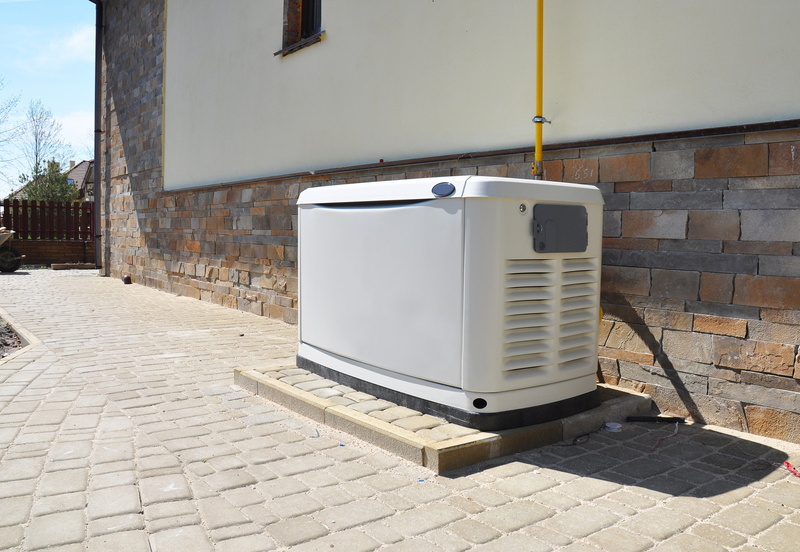
Owning a whole-house generator requires planning for preparedness. As such, you’ll need to take your generator’s fuel type into consideration as part of your preparations. Each fuel type has its own benefits and drawbacks; some of them might be hindrance to your plans while others could be an advantage.
Plus, if your generator needs repair, you’ll want to understand all of the risks associated with its fuel type. For example, diesel is actually one of the least flammable fuel sources, while a fuel like natural gas can be dangerous if the gas lines become compromised.
Of course, all these factors and more are things that you’ll want to discuss with an expert of generator repair and installation in Hammond, LA.
What is the best fuel type for a whole house generator?
The best fuel type for a whole house generator depends on your home’s fuel access, backup power needs, and storage preferences. Natural gas is often the most convenient if gas lines are available, propane offers long shelf life and cleaner operation, and diesel is efficient for heavy, long-term use.
In the meantime, we’ll tell you about some of the most common fuel types used with generators:
Diesel
It’s one of the cheapest fuel sources you can use with your generator. It’s even more efficient than using propane and natural gas. However, it’s not exactly going to be the most convenient fuel source to utilize.
Diesel can be more easily obtained even during a disaster, since it’s a fuel source commonly used by the military and farming operations. However, this is mostly an afterthought, because most homeowners are stockpiling fuel instead of search for it after the fact. And that can be difficult, because diesel has a shelf life of about 18 to 24 months—you’ll need to cycle it out regularly to ensure that you have enough when it’s needed.
Diesel engines run better when running a big load for a long time, and they’ll typically last longer than propane and natural gas engines. But at the same time, some states prohibit diesel engines from running for too many hours per year.
Propane
Propane is like the quieter, cleaner burning cousin of diesel. They both require storage in a storage tank connected to your generator and they both can be delivered to your home. However, propane is going to be more expensive than diesel. The cost of the generator, itself, can also be a little bit higher.
However, those prices increase are all in exchange for a fuel type that is compliant with emissions, noise regulations, and a longer shelf life. This adds a lot of convenience that you just won’t get with a diesel system.
Natural Gas
Natural gas is certainly one of the most convenient fuel sources that you can use for your whole-house generator, especially when a generator fits your home’s needs and your home is already connected to gas lines. And that’s a big emphasis on “if…” One of the biggest reasons people don’t use natural gas is simply because their area doesn’t have access to it.
If you do have access to it, however, there are plenty of good reasons to use it:
- Fuel is virtually unlimited—you simply pay for what you use.
- It burns cleanly, quietly, and is compliant with emissions regulations.
- Power outages won’t stop it from being supplied to your home.
As for drawbacks, you’ll be out of luck if the gas lines become damaged, such as in the event of an earthquake or other destructive disaster.
Frequently Asked Questions
Question: What is the best fuel type for a whole-house generator?
Answer: The best fuel type depends on your home, fuel access, and how you plan to use the generator. Natural gas is often the most convenient when a home already has gas service. Propane offers long storage life and cleaner operation. Diesel can be efficient and durable, but it requires stored fuel.
Question: Is natural gas a good choice for a whole-house generator?
Answer: Natural gas is a strong option if your home is already connected to a gas line. It provides a continuous fuel supply, burns cleanly, and usually keeps flowing during electrical outages. The main drawback is that the generator depends on the gas line, which may be unavailable or damaged during certain disasters.
Question: Is propane better than diesel for a home generator?
Answer: Propane can be more convenient than diesel because it stores well, burns cleaner, and is often quieter. It does require a storage tank and may cost more than diesel. Diesel is typically efficient and durable for long run times, but it has a limited shelf life and needs regular fuel management.
Question: Why would someone choose a diesel whole-house generator?
Answer: Diesel may be a good fit for homeowners who want efficiency, strong performance under heavy loads, and a long-lasting engine. It is also commonly available in many emergency and work settings. However, diesel must be stored properly, rotated over time, and may be subject to runtime or emissions restrictions.
Question: How should I choose between natural gas, propane, and diesel?
Answer: Start with what fuel is already available at your home. Natural gas is convenient when gas lines are present. Propane works well when you want stored fuel with a long shelf life. Diesel can make sense for heavier use, but it requires more planning. A generator professional can help match the fuel type to your needs.
Contact us today to learn more about whole-house generators. When you need it done right call Professional Heating & Air!