

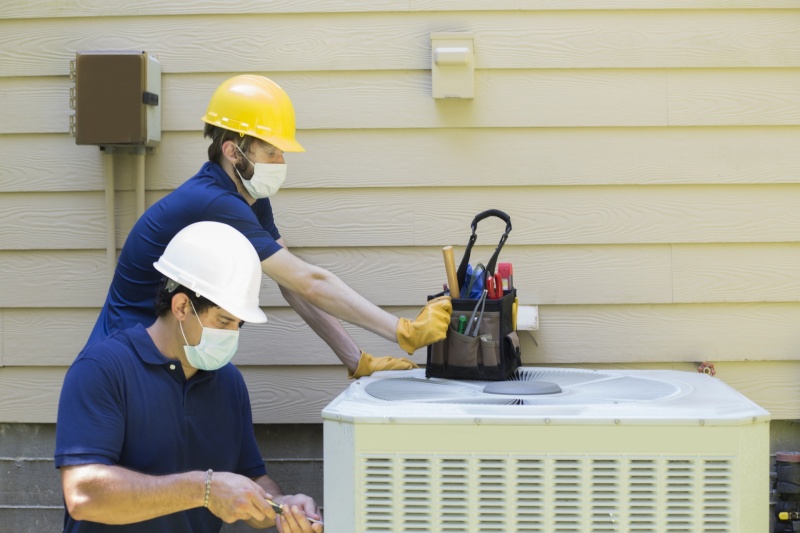
If you’ve lived in this area for even just a year, then you know just how sweltering our summers get. Therefore, you need a reliable and efficient air conditioner to get you through. This means that if you’ve come across this blog post, in the middle of summer, then you probably need help fast.
Maybe you’re wondering if you should call for repair, or if it’s finally time to replace your aging air conditioner. Whichever Hammond, LA air conditioning service you need, the team here at Professional Heating & Air is here to help. We are available to provide any repairs you need for your air conditioner, as well as advise you on your replacement options.
Before your HVAC service, it’s important to clear access to your existing equipment and review any ductwork or electrical considerations to help ensure a smooth process. Preparing for an HVAC replacement can help ensure a smooth, efficient installation and minimize disruption to your home. In Hammond, LA, replacing a cooling system requires balancing high humidity and intense summer heat with energy efficiency.
The HVAC replacement process involves removing your old system and installing a new system to ensure efficient climate control and air quality in your home. A full HVAC system replacement ensures all components are properly matched, installed, and commissioned to work together at peak performance. Choosing a qualified HVAC professional is one of the most important steps in any repair or replacement project. Local HVAC companies in Hammond can provide specialized assessments to help homeowners choose the best system for their needs.
When deciding between repair and replacement, expect a thorough evaluation of your system. Technicians will assess not just the main unit, but all related equipment to determine the best course of action. Sometimes, minor issues only require a simple repair, while more serious problems may require a full replacement. Pay attention to any sign of trouble, such as unusual noises or inconsistent cooling, as these can indicate the need for service.
System age is also a key factor, check the date of manufacture to help determine if your system is nearing the end of its lifespan. Upgrading to a new system can bring benefits like improved efficiency, better comfort, and potential energy savings. It’s essential that your new equipment is professionally installed to ensure optimal performance and longevity. Investing in quality systems and components can also enhance durability and overall satisfaction.
To learn more about your cooling replacement options, consult with local professionals or access additional resources to make the best decision for your home.
Of course, except in the case of a total air conditioner breakdown, repairs are always a possibility. But repairs aren’t always the most economical decision, especially when it comes to an aging system. Read on to learn when it’s reasonable to invest in a repair, and when it’s a better choice to consider an air conditioner upgrade.
When Should You Replace Your Air Conditioning System?
You should consider AC replacement if your system is over 10 to 15 years old, requires frequent repairs, or struggles to cool your home efficiently. Rising energy bills, uneven temperatures, and major component failures like a compressor breakdown are strong signs that replacing your cooling system may be more cost-effective than continued repairs.
Introduction to AC Repair or Replacement
When your cooling system starts acting up, it’s natural to wonder whether a simple repair will do the trick or if it’s time to invest in a replacement. This decision can feel overwhelming, especially when you’re dealing with uncomfortable temperatures, rising energy bills, or frequent repairs that never seem to solve the problem for long. Choosing between repair and replacement isn’t just about fixing what’s broken, it’s about finding the most cost-effective and energy efficient solution for your home in the long run.
Today’s heating systems, including heat pumps and gas furnaces, are designed to deliver better performance and use less energy than older models. Upgrading to a new, energy-efficient system can lead to significant savings on your energy bills, improved airflow, and a more comfortable indoor environment. However, before making a purchase, it’s important to assess the current system’s age, the condition of outdoor units, ductwork, and insulation, and whether replacement parts are still readily available. Sometimes, a well-timed repair and some routine maintenance, like sealing ducts and replacing worn components, can keep your system running smoothly for years.
A professional technician can help you make an informed decision by evaluating your equipment’s performance, identifying any underlying issues, and recommending the best solution for your home. Whether you decide to repair or replace, taking action now can help you avoid unexpected breakdowns, reduce your energy use, and ensure your heating and cooling system stays in top condition. By weighing the costs, benefits, and long-term savings, you’ll be able to choose the option that keeps your house comfortable and your energy bills under control.
Signs of a Failing System
Recognizing the early warning signs of a failing heating or cooling system can save you from unexpected breakdowns and costly emergency repairs. If you find yourself scheduling frequent repairs or noticing a steady increase in your energy bills, your system may be struggling to keep up. Older equipment, such as a heat pump or gas furnace that’s been in service for over 10-15 years, is more likely to experience reduced airflow and inconsistent performance.
Pay attention to the air coming from your vents, if your cooling system is blowing warm air during the summer or your furnace is pushing out cold air in the winter, it’s a clear sign that something isn’t right. Noisy outdoor units, such as rattling or buzzing sounds, can also indicate underlying issues that require attention. Uneven temperatures between rooms, weak airflow, or a sudden spike in energy use are additional red flags that your system may be nearing the end of its lifespan.
If you notice any of these signs, it’s important to have a qualified technician assess your heating or cooling system. A professional evaluation can help pinpoint the problem and guide you toward the most effective solution, whether that’s a targeted repair or a full replacement.
AC Repair Is the Right Choice When These Conditions Apply
Your air conditioner isn’t a decade old yet and is routinely receiving professional maintenance.
The service life of the average air conditioner is about 10-15 years old, but this only applies if your air conditioner is properly maintained. This means that every year (or twice a year, in the case of a heat pump system), you have a professional closely inspect, clean, and adjust the components that need it because regular AC system maintenance is essential for your AC.
It’s during these maintenance tune-ups that our technicians check for signs of natural wear and tear, such as noisy operation or unusual noise, which may require attention. Persistent or excessive noise from your cooling system can be a sign of a serious problem that warrants replacement. We’ll alert you to any repair needs right away, so you can schedule them ASAP. However, it’s possible that wear and tear can cause problems between maintenance sessions. Maintenance prevents up to 85% of repair expenses, but you’ll eventually need to have some components fixed or replaced.
Some repairs require only minor replacement parts, such as a fan or capacitor. Fans are a common component in cooling systems that can wear out over time and require replacement to maintain efficiency. Replacement parts for cooling systems include fans and other components that can extend the life of existing units.
It’s also wise to choose repair over replacement if the problem you’re experiencing is a minor one. For example, if a capacitor needs replacement or a motor bearing needs lubricating, then repair services make the most sense–it’s expected that you’ll need a small repair like this every few years. However, if you’re unsure how to evaluate your system’s condition overall, it helps to review guidance on when to repair or replace your AC.
AC Replacement Is the Better Option When You Notice These Signs
Your cooling unit is 10-15 years old, is working inefficiently, and needs repairs on a frequent basis. In many climates, older units struggle to keep up with temperature extremes, leading to inconsistent comfort in different rooms and higher energy use. If your furnace is also over 15 years old, it may be time to consider upgrading to a high-efficiency model for better performance, especially before winter.
If you’ve discovered that you’re calling for AC repairs 2-3 times a year, and the unit is over a decade old, plus it’s working inefficiently and causing a spike in your utility bills, then you’ll benefit from a new AC installation. The ‘5,000 rule’ can help: if the cost of repairs multiplied by the age of your system exceeds $5,000, replacement is generally the better option. Replacing outdated systems with newer models can save you money on energy bills, as high-efficiency units can reduce heating and cooling costs by up to 20 percent when installed correctly. You may also qualify for tax credits, rebates, and incentives from state or local energy-saving programs, making the price of replacement, typically between $2,500 to over $45,000 depending on brand, labor, and home size/layout, more affordable.
Today’s air conditioning units are more efficient by nature than those of even just 5-10 years ago, with newer models offering higher SEER ratings and improved features. Carrier offers a wide range of high-efficiency heating and cooling systems designed for comfort, reliability, and energy savings.
Also, today’s air conditioners use a safer and more eco-friendly refrigerant than those of a decade ago, so it’s helpful to understand your AC refrigerant type. Older systems using R-22 are being phased out due to environmental regulations and should be replaced. If you notice warm air blowing from your vents, it could indicate a refrigerant leak or other issue that may require professional repair or replacement. Hot or uneven rooms, or inconsistent temperatures between rooms, can signal equipment inefficiency, duct leaks, or thermostat problems, upgrading your unit or thermostat can help resolve these issues.
Professional maintenance helps air conditioning units retain up to 95% of their original efficiency rating, but there is a limit to this. Eventually, components will wear down to the point that no repairs will help, and efficiency will start to decline. Regular maintenance and timely replacement of parts can significantly extend the lifespan of your cooling system. You’ll notice your utility bills increasing, your comfort decreasing, and more frequent repair needs.
Still unsure if replacement or repair is right in your specific scenario? Please don’t hesitate to reach out to our team!
Replacement Parts and Costs
When considering whether to repair or replace your heating or cooling system, it’s important to factor in the cost of replacement parts and the overall investment in a new system. While energy efficient models can significantly lower your energy bills and save you money over time, the upfront price of a new system can be substantial. Common replacement parts, such as fans, motors, or capacitors, can extend the life of your current equipment, but frequent repairs may add up quickly.
A new, energy efficient cooling system or heating unit is designed to deliver reliable performance and reduce energy use, making it a cost-effective choice in the long run. However, it’s essential to get a detailed estimate from your contractor that includes the price of installation, any necessary replacement parts, and ongoing maintenance costs. This will help you make an informed decision about whether to repair your existing system or invest in a replacement.
Don’t forget to consider the potential savings on future repairs and energy bills when weighing your options. By choosing the right system for your home and budget, you can enjoy greater comfort, improved efficiency, and peace of mind for years to come.
Choosing a Reliable Contractor
Selecting the right contractor is one of the most important steps when installing a new heating or cooling system. A skilled technician will help you choose a system that’s suitable for your home, taking into account factors like ductwork, insulation, and thermostat compatibility to ensure optimal performance and energy efficiency. Proper installation is key to preventing future breakdowns and keeping your energy bills in check.
When researching contractors, look for companies with strong reviews and testimonials from satisfied customers. Check their credentials, experience, and ask about warranties or guarantees on both equipment and installation. A reputable contractor will provide a clear, detailed estimate of all costs involved, including labor, materials, and any additional services needed to get your new system up and running.
By partnering with a reliable contractor, you can be confident that your new heating or cooling system will be installed correctly and deliver the comfort and efficiency you expect. This not only protects your investment but also ensures a cost-effective solution that keeps your home comfortable year-round.
Frequently Asked Questions
Question: What role does a manufacturer’s warranty play in deciding between AC repair and replacement?
Answer: A valid manufacturer’s warranty can make repairing a faulty component much cheaper or even free, tipping the decision toward repair. If the warranty has expired, major repair costs might make replacement the more economical long-term choice.
Question: How can updated refrigerant regulations affect my decision to repair or replace my AC?
Answer: Newer HVAC regulations are phasing out older refrigerants like R-22, making them more expensive and harder to service. If your system uses outdated refrigerant, replacement may be more cost-effective than frequent, costly repairs.
Question: Can financing options change whether I should repair or replace my AC?
Answer: Yes. Flexible financing plans can make replacement more affordable upfront, so even if repair seems cheaper initially, financing a new, more efficient system might be a better long-term investment.
Question: How might replacing my AC impact my home’s resale value?
Answer: A newer, more efficient HVAC system can boost a home’s resale appeal, making replacement potentially worthwhile if you plan to sell soon, even if the current unit could still be repaired.
Question: Are there unexpected costs I should consider when choosing between repair and replacement?
Answer: Yes. For replacements, additional costs can include electrical upgrades, ductwork modifications, permit fees, or labor, which aren’t always obvious in the initial quote. Accounting for these helps compare total investment more accurately.
When you need it done right call Professional Heating & Air!