
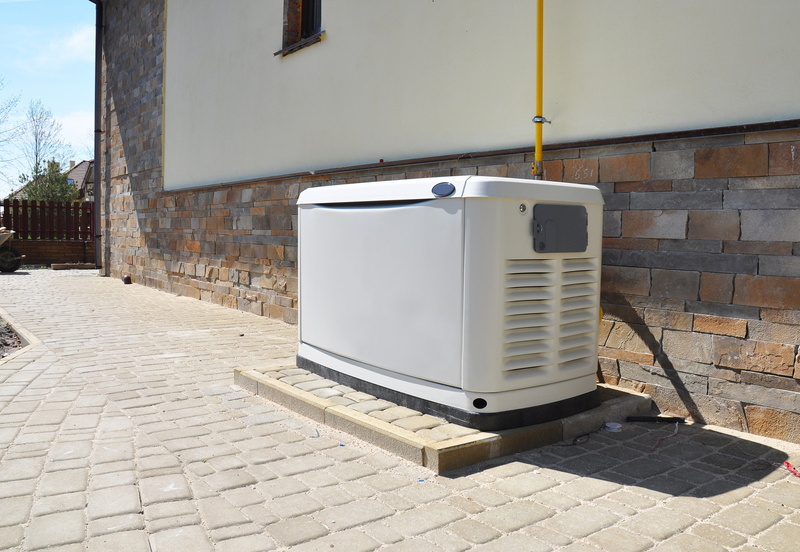
Owning a whole-house generator is all about preparedness. As such, you’ll need to take your generator’s fuel type into consideration as part of your preparations. Each fuel type has its own benefits and drawbacks; some of them might be hindrance to your plans while others could be an advantage.
Plus, if your generator starts having issues, you’ll want to understand all of the risks associated with its fuel type. For example, diesel is actually one of the least flammable fuel sources, while a fuel like natural gas can be dangerous if the gas lines become compromised.
Of course, all these factors and more are things that you’ll want to discuss with an expert of generator repair and installation in Hammond, LA.
In the meantime, we’ll tell you about some of the most common fuel types used with generators:

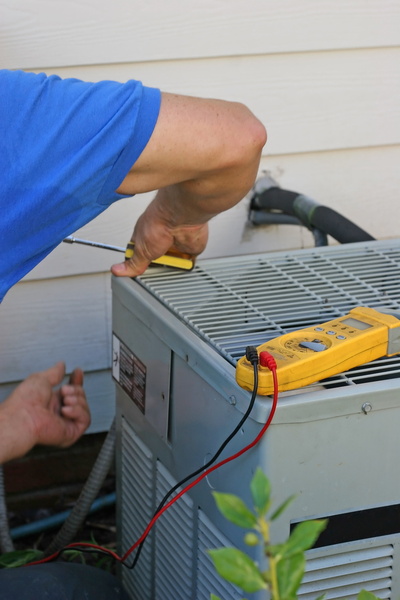
 A modern-day heating system is going to last you between 15 and 20 years. That’s an awfully long time in comparison to gadgets like our phones and computers, which we trade in after only a few years. Your heating system is practically a family member at that point!
 For most of the country, gas furnaces are the number one heater of choice. They’re inexpensive to install, they heat the home quickly, and they’re reliable. We would know, because we happily install them!
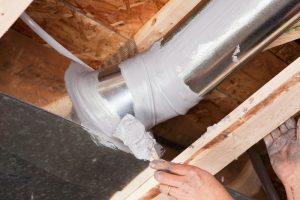 In the world of HVAC, air is money. You might as well imagine that every time your heater or air conditioner comes on, your dollar bills and quarters are shooting through the air ducts.
 When you hear the word “fireplace,” you may immediately think of a masonry firebox/hearth in which wood is burned. This is the classic setup, after all, and the wood-burning fireplace maintains its place as a popular option in homes throughout the area. However, burning wood in a traditional fireplace is not the only way in which to enjoy the benefits of a fireplace. And, for some, it is not the ideal way in which to do so.
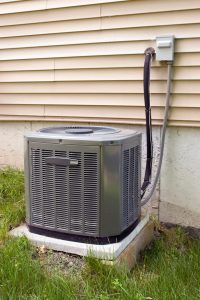 Summer arrives, and every homeowner has the same fear: What if the AC breaks down? Some problems you can ride out until help arrives, but everybody’s miserable when a home unexpectedly turns into a relentless sweat lodge. One sign of trouble is an AC leaking water. But what exactly does this mean? Is it time for a new system or is there an easier – that is, less expensive – fix available? We’ll go over the most common causes of this problem as well as your best options.
 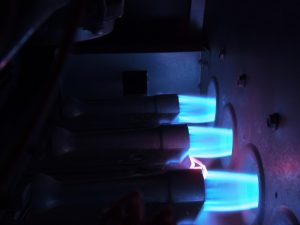 Most homes in the area rely on forced-air furnaces for heat. They’re inexpensive and effective, which makes them an excellent fit for our short winters and comparatively mild heating needs. But they run into problems just like any other appliance, especially now, at the end of winter, when they’ve been running on a regular basis and are likely subjected to the pressures of wear and tear. Older furnaces, in particular, need to be watched carefully because fundamental components may begin to break down.